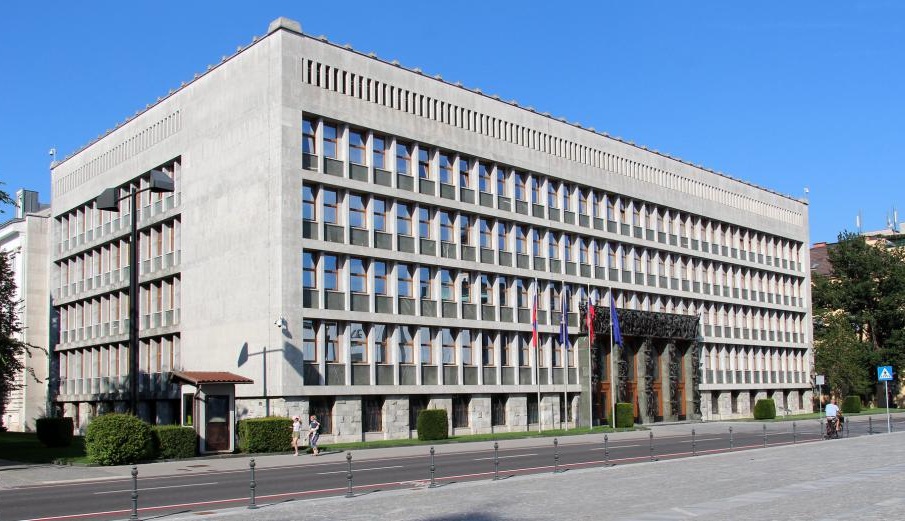
Slovenia is preparing for a pivotal parliamentary election on March 22, as voters get ready to choose representatives for the 90-seat National Assembly. The election will determine the direction of the country’s policies on economic growth, energy transition, and relations within the European Union. Political analysts say the race is expected to be competitive, reflecting deep divisions among voters after years of shifting coalitions and public discontent with government performance on inflation and healthcare.
Prime Minister Robert Golob, leader of the Freedom Movement (GS), is seeking to maintain his majority amid growing pressure from right-leaning parties led by former Prime Minister Janez Janša. Opposition groups have focused their campaigns on reducing bureaucratic inefficiency and tightening immigration policies, while the ruling coalition emphasizes renewable energy investment, digital innovation, and social welfare expansion. Several smaller parties are also expected to play key roles in post-election coalition talks.
Recent polls indicate that no single party is likely to secure a clear majority, setting the stage for potentially complex negotiations. Political observers believe the election could reshape Slovenia’s domestic policy priorities and influence its role within the EU, particularly on climate and financial coordination. International interest in the vote is high, as Slovenia’s political balance often serves as a bellwether for broader trends across Central and Southeastern Europe.
“Your donation helps us cover global events, ensuring everyone stays informed.”


(Source: ABC | The Straits Times | Reuters)