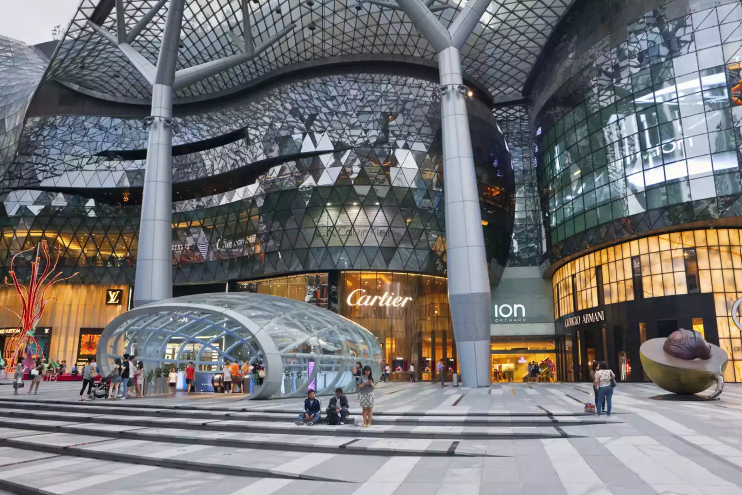
Singapore has once again been ranked the most expensive city in the world for high-net-worth individuals to “live well,” according to Julius Baer’s 2025 Global Wealth and Lifestyle Report, released in July 2026. The Swiss private bank’s study, which assesses costs for 11 consumer goods and nine services across 25 major global cities, found Singapore topping the list for the fourth consecutive year. The ranking is tailored to affluent households with bankable assets of at least US$1 million and reflects recent shifts in luxury spending and regional price dynamics.
Hong Kong has dropped to fourth place from third last year, marking a notable shift in the city’s cost-of-living standing among wealthy residents. Half of the goods and services surveyed in Hong Kong have become cheaper, with particularly sharp falls in jewellery prices, which plunged from 19th to 24th in relative terms. Despite this decline, Hong Kong still retains some of the most expensive real estate in the world, with homes remaining the second-most pricey after Monaco, underscoring that the city remains ultra-costly overall even as certain luxury categories soften.
Singapore’s continued dominance reflects a combination of high housing prices, expensive imported food, limited land supply, and elevated service costs. The city-state’s reliance on imported goods and tight land constraints push up everyday expenses for residents, including groceries, transport, and dining. While global rankings vary depending on methodology—such as Numbeo’s broader cost-of-living index, which puts Zurich at the top in mid-2026—Singapore consistently remains among the world’s most expensive destinations, especially for affluent households targeting a luxury lifestyle.
The move from Hong Kong to fourth place also signals a broader recalibration in how wealthy individuals are spending across Asia and beyond. London has slid from second to fifth, while Shanghai holds steady at sixth, indicating that the traditional “top tier” of ultra-costly cities is becoming more fluid. For global investors, expatriates, and high-net-worth families, these shifts suggest that while Singapore remains the benchmark for cost, opportunities may be emerging in other cities where luxury goods and services are becoming more affordable, even as prime real estate markets stay exceptionally tight.


“Your donation helps us cover global events, ensuring everyone stays informed.”
(Source: SCMP | Julius Baer | Numbeo | Coastal Moving)